
Social Media’s Impact on the Gambling Industry An In-Depth Analysis
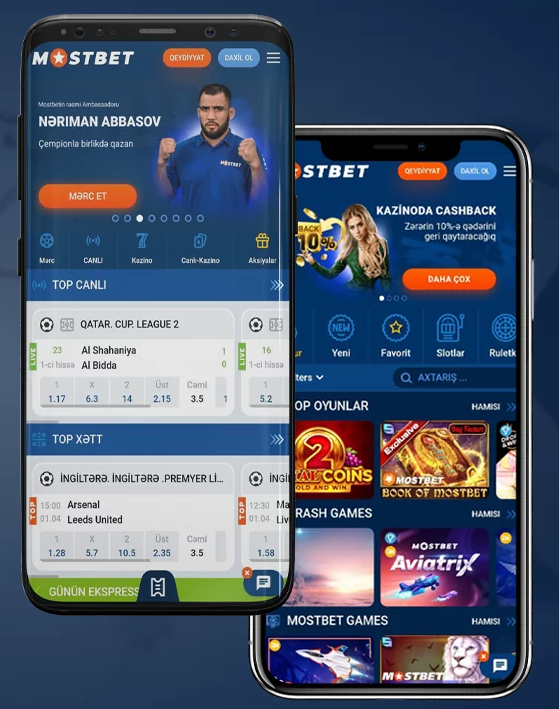
The integration of Social Media and Gambling in Azerbaijan Mostbet social media platforms into everyday life has led to profound changes in numerous industries, including gambling. As social networks become a crucial part of our social fabric, they also shape how we perceive and engage with gambling activities. In this article, we will delve into how social media influences gambling habits, the marketing strategies that have emerged, and the potential implications for both players and operators.
The Rise of Social Media
Over the past two decades, social media platforms like Facebook, Twitter, Instagram, and TikTok have transformed the way people interact and communicate. With billions of active users worldwide, these platforms provide a unique setting for businesses to reach their target audience. Gambling companies have not been slow to leverage this potential, employing various social media strategies to attract new customers and retain existing ones.
How Social Media Influences Gambling Behavior
Social media has significantly altered the landscape of gambling by promoting new betting formats and engaging potential customers in unprecedented ways. Here are several key effects that social media has on gambling behavior:
1. Increased Accessibility
Social platforms make it easier for users to access gambling services directly from their feeds. Many gambling companies utilize targeted advertisements to attract individuals who may not typically engage in gambling activities. For example, by showcasing promotions, bonuses, or announcements for live betting events, these companies can capture the attention of casual bettors effectively.
2. Peer Influence and Social Proof
Social media is built on connections, and user behavior is heavily influenced by peers. When individuals see friends or influencers discussing their gambling experiences, whether through wins or losses, it can create a sense of trust and validation. This phenomenon, often referred to as social proof, encourages more people to participate in gambling activities they may not have previously considered.
3. Gamification and Engagement
The gambling industry has also borrowed concepts from gaming and social media to enhance user engagement. Many gambling operators have incorporated gamified elements like leaderboards, rewards, and challenges, which can be shared on social platforms. This not only promotes a competitive spirit among users but also encourages organic sharing that can lead to further exposure and new customer acquisition.
Marketing Strategies Tailored for Social Media
With the advent of social media, gambling companies have shifted their marketing strategies dramatically. These adaptations include:
1. Influencer Partnerships
Influencer marketing has become a popular trend across various industries, including gambling. Operators often partner with personalities who have significant followings to promote their sites or give reviews of specific games. These partnerships must navigate regulatory requirements carefully, especially in regions where gambling advertisements face strict scrutiny.
2. Targeted Advertising
Advertising on social media allows for hyper-targeted campaigns that focus on demographics, interests, and behaviors. Gambling companies can use data to reach potential users who exhibit online patterns indicative of gambling interest. This means more effective ad spend and higher conversion rates, as users are shown content that resonates with them.
3. Content Marketing
Quality content can engage users and establish brand authority in the gambling space. Many companies create informative blogs, videos, or live streams discussing betting strategies, casino games, and industry trends. Sharing this content on social media extends its reach and engages potential customers, encouraging them to participate in discussions.
Emerging Trends in Social Media and Gambling
As technology continues to evolve, the intersection of social media and gambling is likely to develop further. Here are some emerging trends:
1. Live Betting and Streaming
Live betting has attracted much attention, and social media enables real-time interaction and engagement. The integration of live streaming into betting platforms allows users to place bets while following events live, making it an exciting experience that can be shared across platforms to attract more viewers and potential bettors.
2. Virtual Reality (VR) Gambling
As VR technology improves, gambling firms are beginning to explore its possibilities. Social media can play an essential role in promoting these experiences by showcasing immersive content. The ability to share one’s virtual gambling experiences on social platforms could significantly increase interest and participation in VR gambling environments.
3. Regulatory Challenges and Compliance
As gambling content proliferates on social media, regulatory bodies are increasingly scrutinizing these activities. Operators must remain compliant with advertising standards tailored to gambling, which can vary widely across jurisdictions. Companies need to strike a balance between effective marketing and legal compliance, navigating the complex landscape carefully.
Conclusion
The intertwining of social media and gambling presents both opportunities and challenges. While social platforms have opened new doors for engagement and customer acquisition, they also require responsible marketing and adherence to regulatory standards. As technological advancements continue, the nature of gambling will likely evolve in tandem with social media trends, leading to a dynamic interplay that could reshape the industry in the coming years. It is essential for both players and operators to stay informed and adapt to these changes, ensuring a responsible and enjoyable gambling experience.